Save $10 On Your First Install. Use Code BLOG10


Auxe is operating as an essential business
Save $10 On Your First Install. Use Code BLOG10
Wired cameras are generally better for homeowners who want stable connections, continuous recording, and permanent outdoor surveillance. Wireless cameras are a convenient choice for smaller properties, flexible camera placement, and installations where running cables is difficult.
By
Ali
|
November 17, 2026


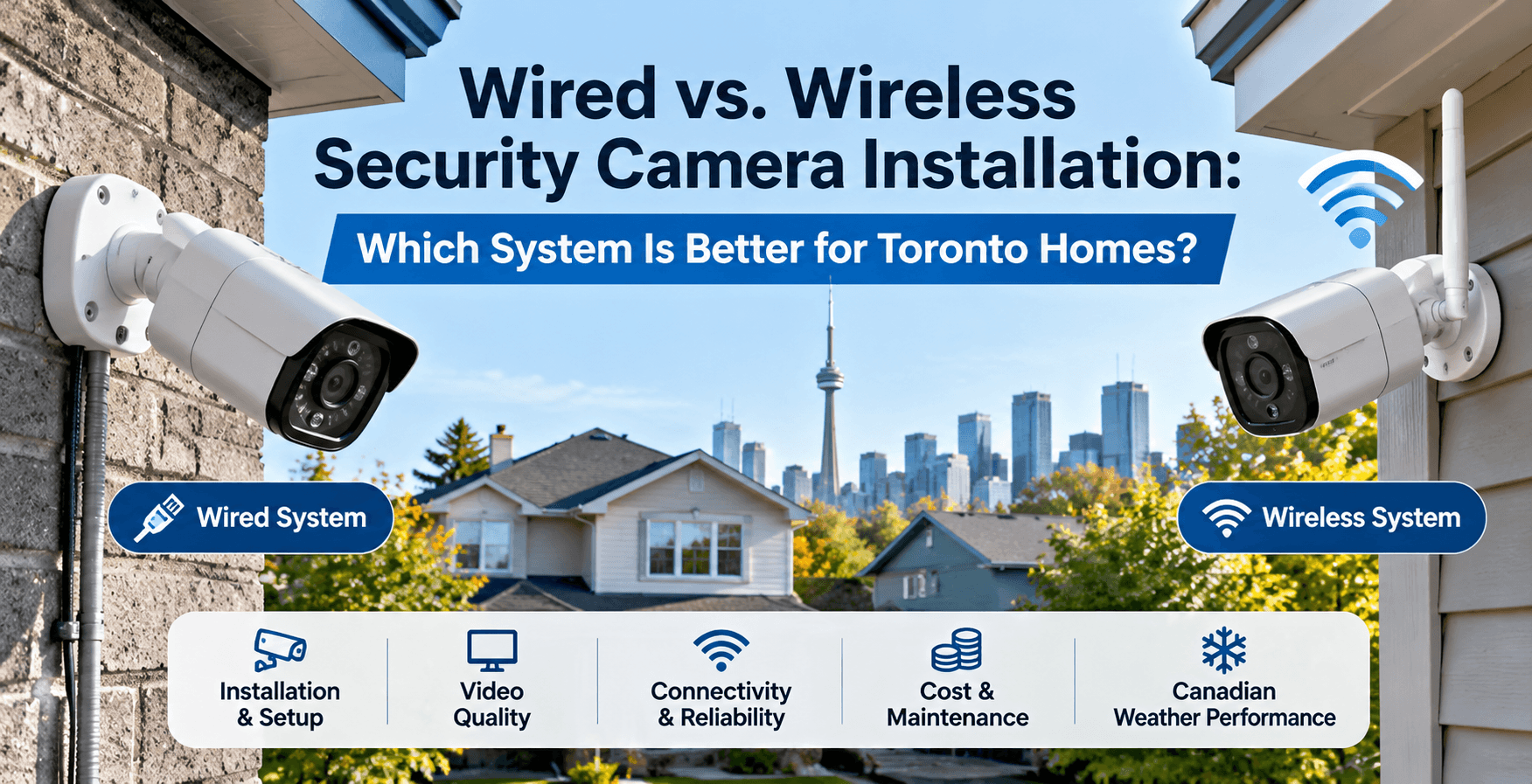
Wired cameras are generally better for homeowners who want stable connections, continuous recording, and permanent outdoor surveillance. Wireless cameras are a convenient choice for smaller properties, flexible camera placement, and installations where running cables is difficult.
Choosing the right security camera system is an important step in protecting your home. Whether you live in a detached house, townhouse, condo, or semi-detached property in Toronto, a reliable surveillance system can help you monitor your surroundings and keep an eye on your property when you are away.
Today, homeowners have two main options: wired and wireless security cameras. Both systems offer useful features, but they work differently and have their own advantages. Wired cameras are known for stable connections and reliable recording, while wireless cameras are easier to install and offer more flexibility.
If you are planning home security camera installation, it is important to understand how these systems compare before making a decision. Your property layout, internet connection, budget, and security needs all play a role.
In this guide, we will compare wired and wireless security cameras, explain their installation requirements, and help you decide which option is better for your Toronto home.
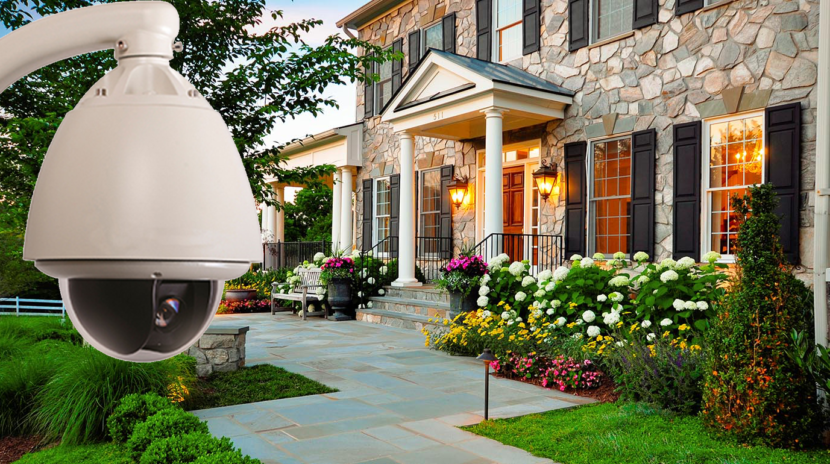
Wired security camera systems use physical cables to connect cameras to a recording device or network. Most traditional CCTV systems use cables to transmit video signals and provide power to the cameras.
A common option is a PoE (Power over Ethernet) security camera system. These cameras use a single Ethernet cable to receive power and send video footage to a network video recorder (NVR).
Wired cameras are often a good choice for homeowners who want continuous recording and a stable connection. Since they do not depend on Wi-Fi to transmit video, they are less likely to experience wireless signal problems.
Another advantage is that wired systems can support multiple cameras across different areas of a property. You can install cameras at the front entrance, backyard, garage, driveway, and other important locations.
Professional home surveillance camera installation can help ensure that all cameras are positioned correctly and connected to the recording system.
However, wired systems require more installation work. Cables may need to pass through walls, ceilings, attics, or other parts of the property. This can make the installation process longer, especially in finished homes.
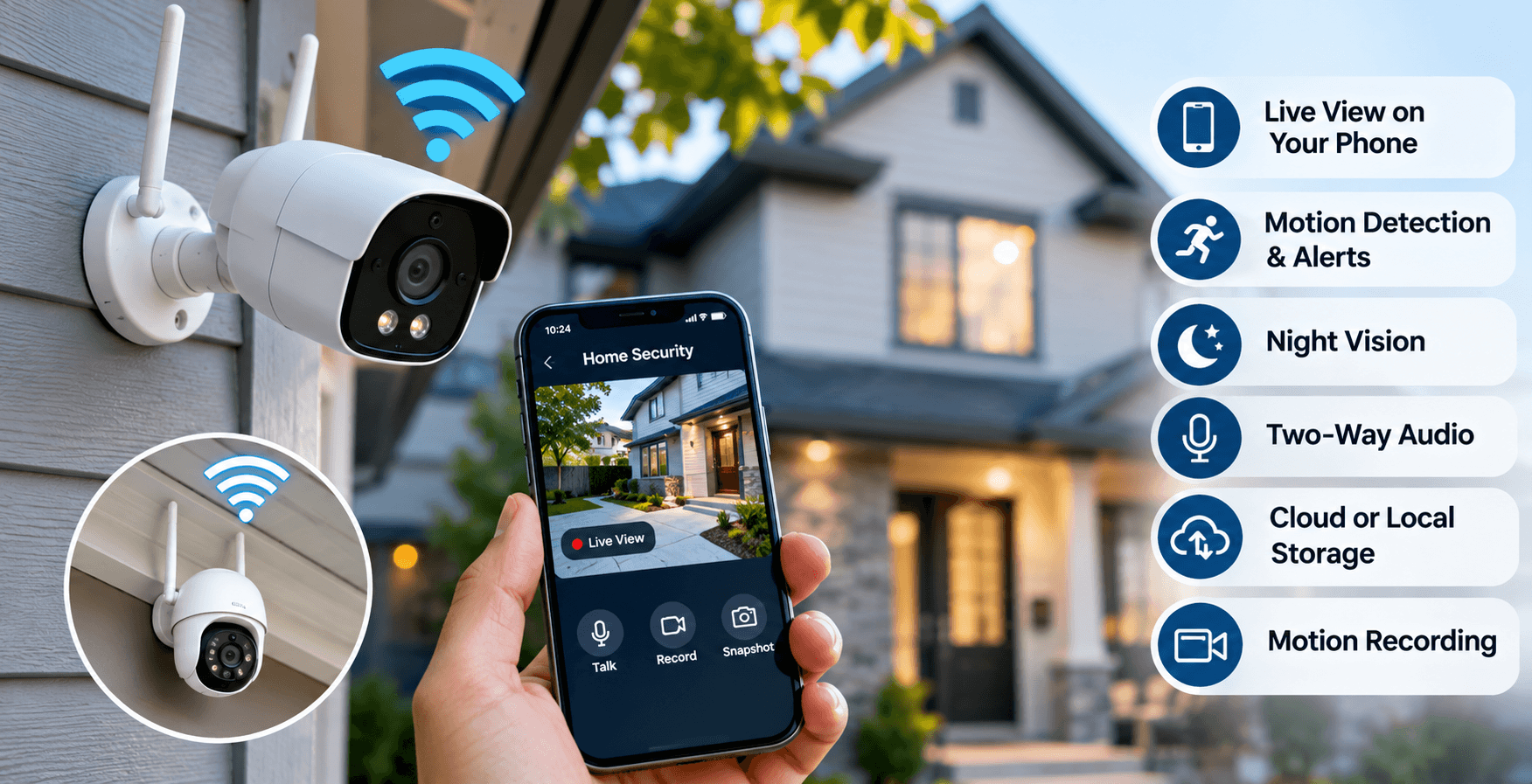
Wireless security cameras use Wi-Fi or another wireless connection to send video footage to a recording device, mobile application, or cloud storage service.
Some wireless cameras still require a power cable, while battery-powered models can operate without a permanent electrical connection. This makes them useful for areas where running cables is difficult.
Wireless cameras are popular with homeowners because they offer flexible installation options. You can place them around your property without running long video cables through walls.
Most modern wireless cameras include features such as:
Wireless systems can be a practical option for smaller homes, apartments, and properties where major wiring changes are not possible.
However, wireless cameras depend on a reliable network connection. If your Wi-Fi signal is weak or your internet connection becomes unstable, you may experience delays, connection problems, or interrupted remote viewing.
Before choosing wireless equipment, check the Wi-Fi coverage around your property. A professional security camera installer can help identify suitable camera locations and possible signal issues.
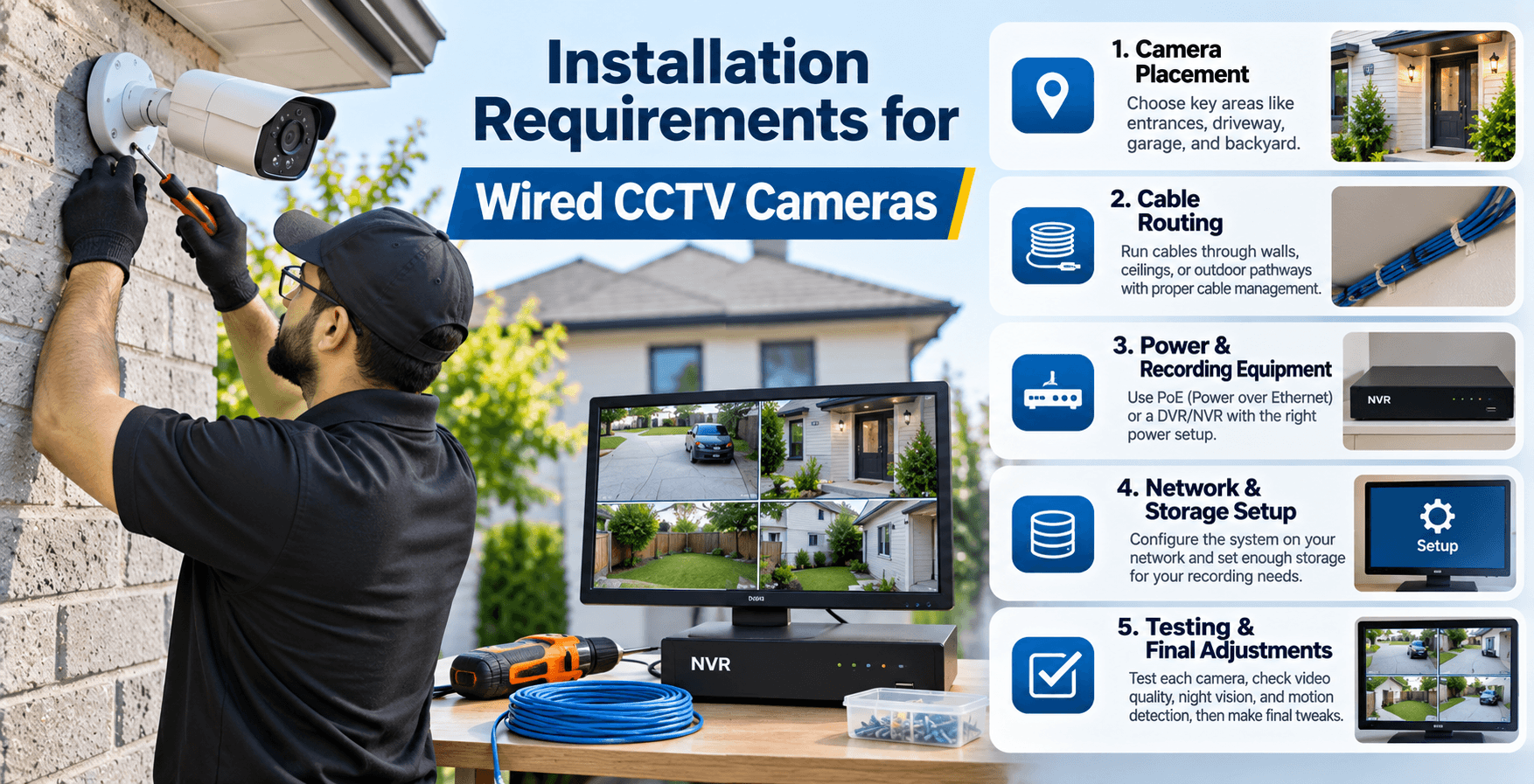
The installation process is one of the biggest differences between wired and wireless systems.
Wired CCTV cameras require careful planning because every camera needs a connection to the recording equipment or network. The installer must decide where to position the cameras, how to route the cables, and where to place the NVR or DVR.
Here are some common installation requirements:
1. Camera Placement
The first step is deciding where cameras are needed. Common locations include front doors, driveways, garages, backyards, side entrances, and other access points.
2. Cable Routing
The installer runs cables through walls, ceilings, attics, or suitable outdoor pathways. Proper cable management helps protect the wiring and keeps the installation neat.
3. Power and Recording Equipment
PoE cameras receive power through Ethernet cables connected to a compatible PoE switch or NVR. Other CCTV systems may require separate power connections.
4. Network and Storage Setup
The recording device needs to be configured to receive video from each camera. Storage capacity should also match your preferred recording quality and retention period.
5. Testing and Final Adjustments
After installation, each camera should be tested to check its viewing angle, recording quality, night vision, and motion detection.
Professional cctv camera installation helps reduce common problems such as loose connections, poor camera positioning, exposed cables, and incorrect system configuration.
If you are searching for cctv installation near me or security camera installation Toronto services, choose an installer who understands different camera systems and the layout of local residential properties.
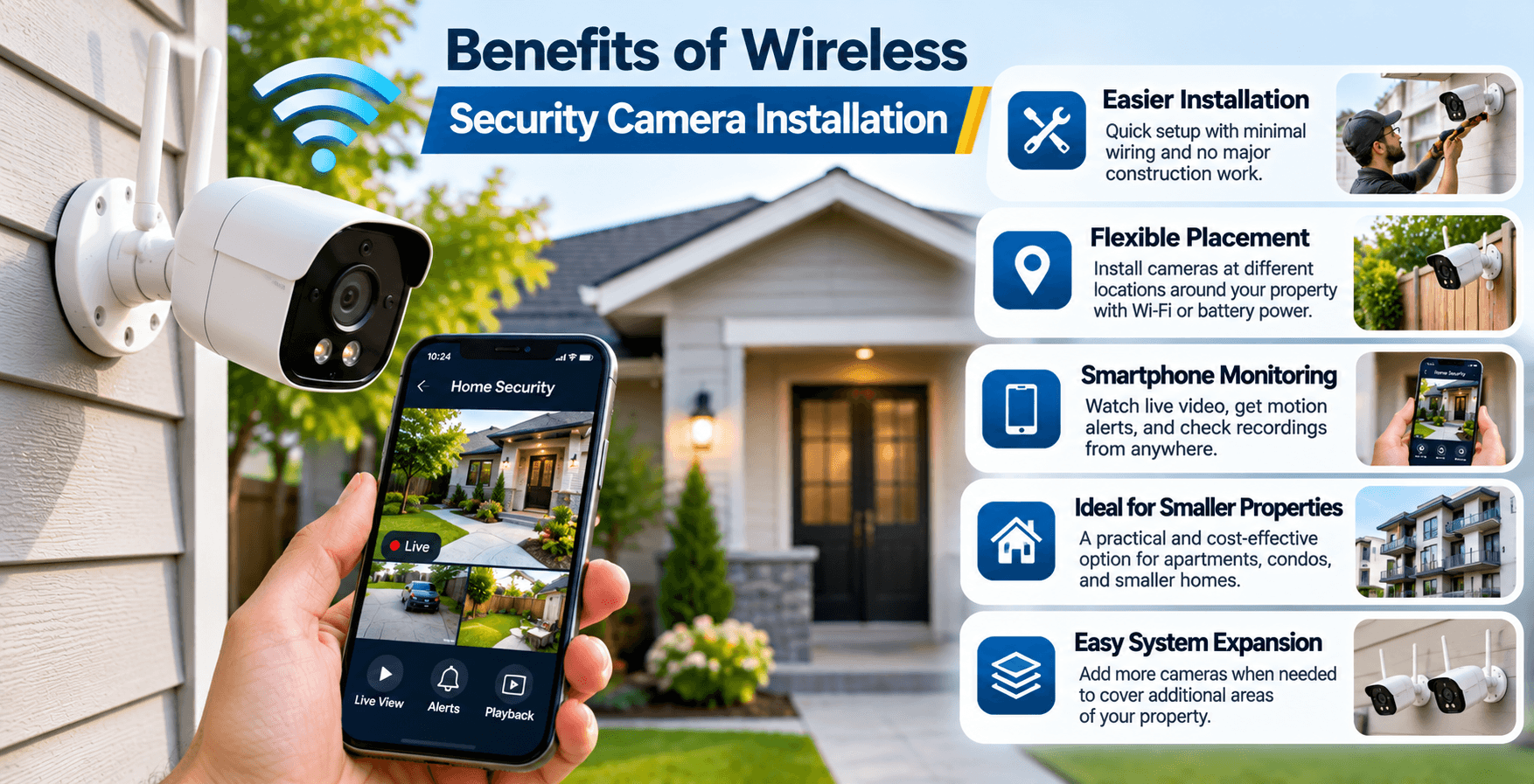
Wireless cameras offer several benefits, especially for homeowners who want a flexible security setup without major wiring work.
Wireless cameras usually require less physical wiring than traditional CCTV systems. This can reduce installation time and make them suitable for existing homes where running cables would require cutting into walls or ceilings.
You can install wireless cameras in different areas of your property, provided they have sufficient Wi-Fi coverage and power. Battery-powered models also allow more flexibility when choosing locations.
Most modern wireless cameras come with mobile applications. These apps allow homeowners to view live footage, receive motion alerts, and check recorded videos remotely.
Wireless systems can work well in apartments, condos, and smaller homes where only a few cameras are needed.
Adding another wireless camera can be easier than running new cables through a finished property. However, your Wi-Fi router must support the additional devices and provide sufficient coverage.
Despite these advantages, wireless cameras are not completely maintenance-free. Battery-powered models need regular charging or battery replacement, and Wi-Fi coverage must remain reliable.
A proper home security installation plan should consider these factors before selecting wireless equipment.
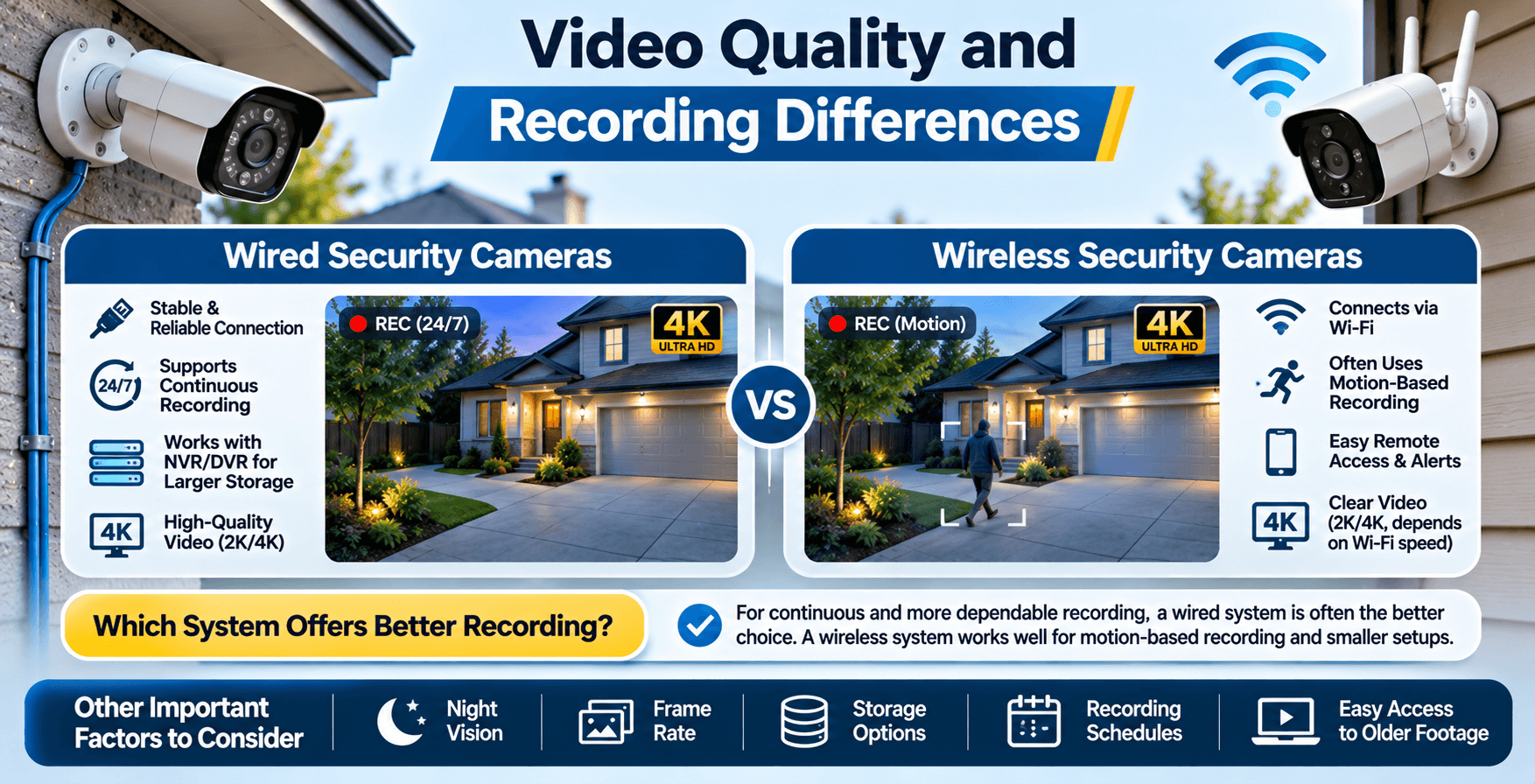
Video quality is another important factor when comparing wired and wireless security camera systems.
Many people assume wired cameras always provide better video quality. However, this is not necessarily true. Both wired and wireless cameras are available in high-resolution options, including 2K and 4K models.
The main difference is how they transmit and store video.
Wired cameras generally provide a more stable connection because they use physical cables. PoE cameras can transmit high-quality footage to an NVR without depending on Wi-Fi performance.
They are also suitable for continuous recording, depending on the recording system and storage configuration.
Wireless cameras can also record clear, high-resolution footage. However, video transmission depends on network strength and available bandwidth.
If several cameras share a busy Wi-Fi network, video quality or connection stability may be affected. Some battery-powered cameras also record only when motion is detected instead of recording continuously.
For homeowners who want continuous recording and dependable footage, a wired NVR-based system is often the better option.
Wireless cameras can be suitable for motion-based recording, remote monitoring, and smaller security setups.
When comparing systems, look beyond resolution. Consider night vision, frame rate, storage options, recording schedules, and how easily you can access older footage.
Wi-Fi performance is one of the most important considerations when choosing wireless security cameras.
A camera may work perfectly when installed near your router but experience connection problems when placed outside, in a garage, or at the far end of your backyard.
Toronto homes have different layouts and construction materials. Brick walls, concrete structures, metal surfaces, and long distances can reduce wireless signal strength.
Some common Wi-Fi problems include:
There are several ways to improve wireless camera performance.
Improve Wi-Fi Coverage: Place your router in a central location where possible. Avoid hiding it behind large objects or inside enclosed cabinets.
Use Wi-Fi Extenders or Mesh Systems: These devices can help extend network coverage to outdoor areas and distant rooms.
Check Network Capacity: Multiple cameras transmitting high-resolution video can use significant bandwidth.
Choose Suitable Camera Locations: Install cameras where they can maintain a strong connection without compromising their security coverage.
If your property has weak Wi-Fi coverage or you need cameras across several outdoor areas, wired surveillance camera installation may provide a more dependable solution.
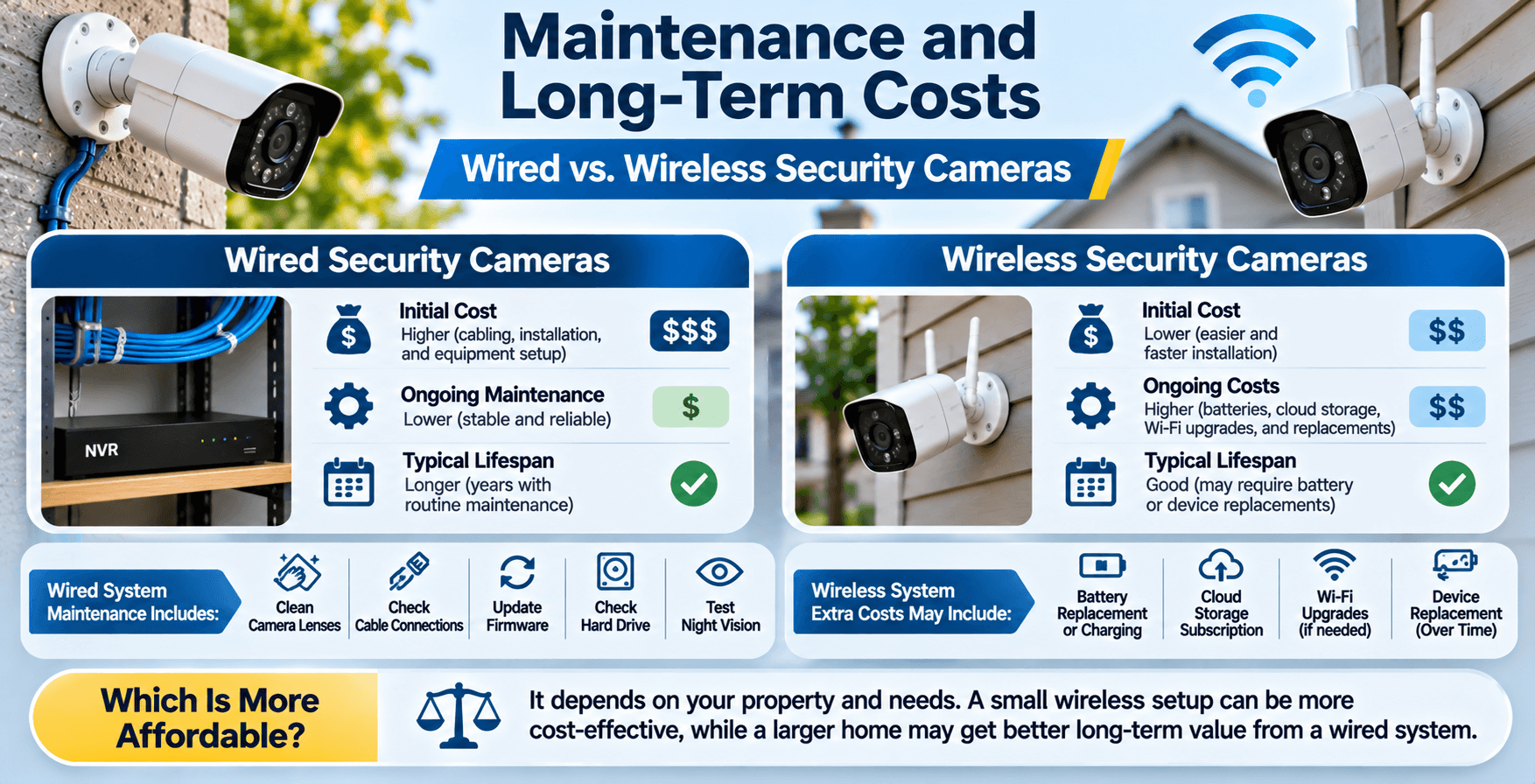
The initial installation price is only one part of the total cost. You should also consider maintenance, storage, equipment replacement, and future upgrades.
Wired systems may have higher initial installation costs because of cable routing, drilling, mounting, and equipment setup.
However, they can offer lower ongoing maintenance requirements.
Common maintenance tasks include:
Once properly installed, a wired system can operate for years with routine maintenance.
Wireless systems may cost less to install because they generally require less cabling.
However, some models have additional long-term expenses, including:
Not every wireless camera requires a subscription. Some models support local storage through microSD cards or compatible recording devices.
The answer depends on your property and security requirements.
A small wireless setup may be more affordable for a condo or apartment. A larger detached home with multiple outdoor cameras may benefit from a wired system, even if the initial installation costs more.
When comparing security camera systems Toronto homeowners can choose from, ask for a complete estimate that includes equipment, installation, storage, and any ongoing subscription fees.
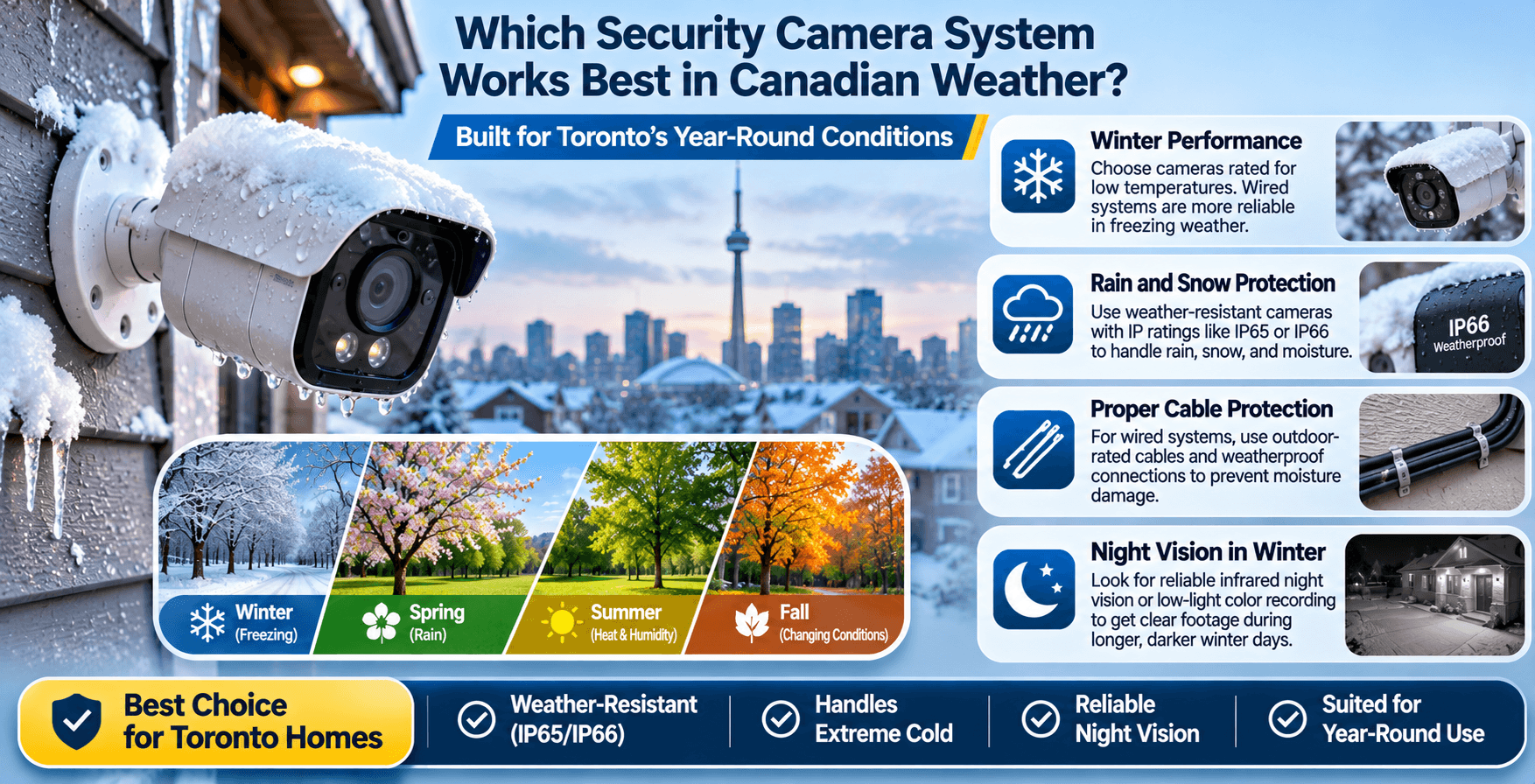
Toronto experiences different weather conditions throughout the year. Home security cameras must handle freezing winter temperatures, snow, rain, summer heat, and humidity.
Both wired and wireless security cameras can work outdoors, but choosing equipment designed for Canadian weather is important.
Cold weather can affect battery-powered cameras. Low temperatures may reduce battery performance and increase how frequently batteries need charging.
Wired cameras do not depend on rechargeable batteries in the same way, making them a practical option for outdoor installations during winter.
However, the camera itself must still be rated for the expected outdoor temperature range.
Outdoor cameras should have a suitable IP weather-resistance rating.
For example, an IP65-rated camera is designed to resist dust and water jets, while IP66 provides a higher level of protection against powerful water jets.
The correct rating depends on the camera's exposure and installation location.
For wired systems, outdoor cables should be suitable for their installation environment. Connections should be protected against moisture, and cables should be routed to avoid unnecessary exposure.
Shorter winter days mean many cameras will operate in low-light conditions for longer periods.
Look for cameras with reliable infrared night vision or suitable low-light colour recording. Proper positioning can also reduce glare from snow, headlights, and nearby lighting.
For many Toronto homeowners, wired PoE cameras are a strong option for permanent outdoor surveillance. However, high-quality wireless cameras can also perform well when they are designed for outdoor use and installed within their operating temperature limits.
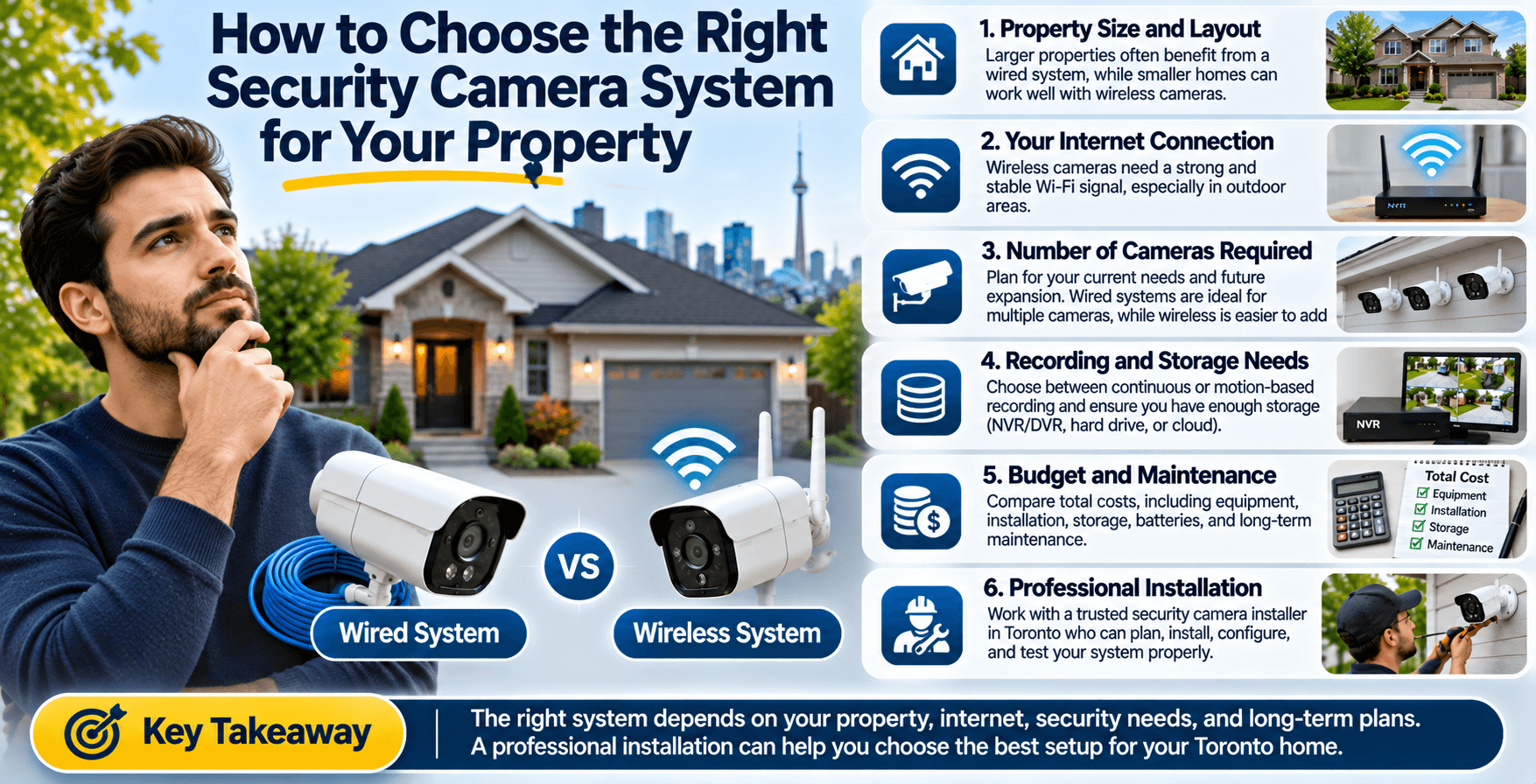
There is no single security camera system that works best for every home. The right choice depends on your property size, budget, internet connection, and the areas you want to monitor.
Consider the following factors before arranging home security camera installation.
If you have a detached house with a large backyard, driveway, garage, and multiple entrances, a wired system may provide better coverage.
For smaller properties, a few wireless cameras may be enough.
Wireless cameras need reliable Wi-Fi coverage. If your internet connection is weak in outdoor areas, consider improving your network or choosing wired cameras.
Think about how many cameras you need now and whether you may add more later.
A wired NVR system can be a good choice for properties that need several cameras. Wireless systems can be easier to expand when suitable network coverage is available.
Decide whether you need continuous recording or motion-based recording.
If you want to keep footage for several days or weeks, check the recorder's storage capacity and available backup options.
Compare the full cost of both systems, not just the camera prices.
Consider installation, cables, recording equipment, batteries, cloud subscriptions, and future maintenance.
Correct installation is just as important as choosing good equipment.
A professional camera installation company can help with camera placement, wiring, network configuration, recording settings, and testing.
If you are looking for a security camera installer in Toronto, choose a company that can explain the available options and recommend a system based on your actual property requirements.
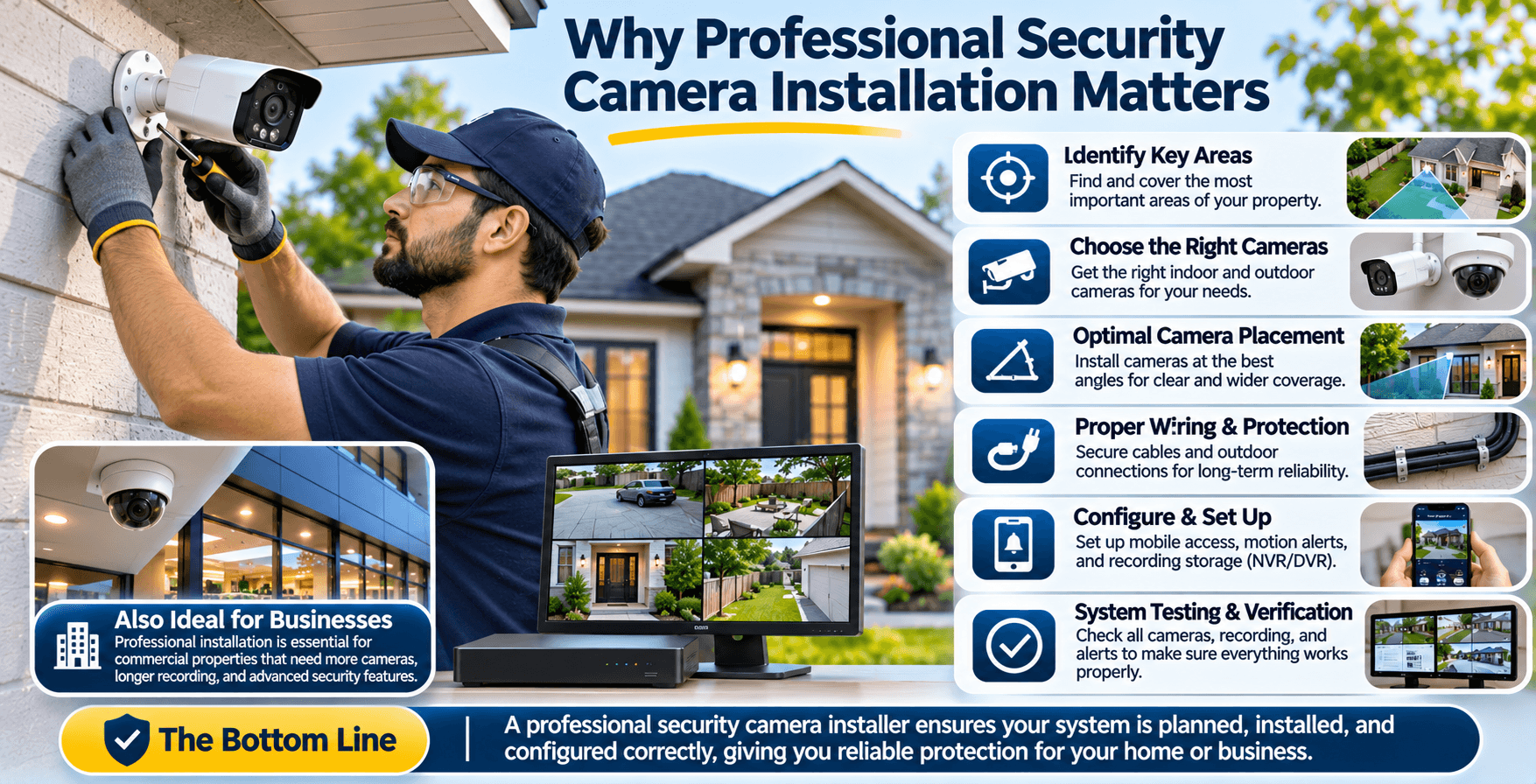
Buying good cameras does not guarantee that your property will be properly protected. Poor camera placement, incorrect wiring, weak Wi-Fi coverage, and improper recording settings can reduce the effectiveness of an otherwise good system.
Professional security camera installation service helps ensure that the entire system is set up correctly.
An experienced installer can help you:
Whether you need a few cameras for your home or a complete CCTV system for a commercial property, professional installation can save time and help avoid common setup problems.
For businesses, working with a qualified commercial security camera installer is also important. Commercial properties may require additional cameras, longer recording periods, access monitoring, and more advanced surveillance features.
Choosing the right installation company is an important part of building a reliable security system.
Auxe Inc provides professional installation solutions for residential and commercial properties. Whether you need cameras for your home, office, retail store, or other property, choosing the right equipment and installation approach can make a difference.
From planning camera locations to completing the system setup, professional installation helps ensure your cameras are positioned correctly and ready to monitor the areas that matter.
If you are searching for security camera installation Toronto, CCTV installation Toronto, or reliable surveillance services Toronto property owners can consider, Auxe Inc can help you explore suitable installation solutions.
Visit Auxe Inc to learn more about available services and discuss your installation requirements.
Both wired and wireless security cameras have their own advantages. The best choice depends on your property's layout, recording requirements, budget, and network conditions.
Wired cameras are generally better for homeowners who want stable connections, continuous recording, and permanent outdoor surveillance. Wireless cameras are a convenient choice for smaller properties, flexible camera placement, and installations where running cables is difficult.
For many Toronto homes, a combination of both systems may also work well.
Before making a decision, consider your long-term security needs instead of choosing a system based only on its initial price.
If you need help selecting the right solution, a professional security camera installation company can assess your property and recommend a system that fits your requirements.


Our online price calculator is free and requires no credit card, email, or contact information. Check it out!
Our online price calculator is free and requires no credit card, email, or contact information. Check it out!